Aave protocol is the liquidity layer behind V4 markets and Aave Kit integrations
Aave protocol is the open-source liquidity system used to create self-custodied crypto lending markets, where suppliers deposit assets, borrowers draw liquidity against collateral, and variable rates adjust as market utilization changes. Its current direction centers on Aave V3, Aave Pro V4 market design, and Aave Kit, an integration stack for builders who want lending, yield, and onchain financial flows inside their own products.
Aave Pro V4 turns lending into purpose-built market tracks
The newer product language around Aave Pro V4 points to a shift from one broad lending venue toward markets arranged for different strategies. Main and Core serve general-purpose borrowing and stable yield. Bluechip and Prime focus on ETH and BTC-style collateral with predictable withdrawal behavior. Ethena and Plus concentrate on borrowing stablecoins against USDe and sUSDe with risk isolated around that strategy.
That structure matters because collateral, liquidity depth, liquidation parameters, and borrowing demand differ across assets. A stablecoin-heavy market behaves differently from a market built around ETH, BTC, USDe, or sUSDe. By grouping configurations around use cases, Aave protocol gives governance and risk contributors a clearer way to tune each market without pretending every asset belongs in the same risk bucket.
Supplying assets starts the lending side of the market
Supplying means depositing an approved crypto asset into a market so borrowers have liquidity to draw from. The supplier receives a position that tracks the deposited balance plus interest generated by borrowers. Interest is not a fixed coupon from an issuer; it accrues from demand inside the market and changes as utilization rises or falls.
Stablecoins such as USDC and DAI attract users who want dollar-denominated exposure, while ETH and wrapped Bitcoin markets serve users who prefer to keep crypto exposure while earning from lending demand. The exact asset list and collateral settings differ by deployment and market, so the asset screen is the place where the real parameters live: supply rate, borrow rate, collateral status, liquidation threshold, and available liquidity.
Borrowing depends on collateral value and health factor
Borrowers deposit collateral first, then borrow an asset allowed by the market. Aave protocol measures the position through a health factor, which reflects how much room remains before liquidation. When collateral value falls, borrowed asset value rises, or interest accrues, the health factor moves closer to the liquidation line. When collateral value rises or debt is repaid, the position gains more room.
This is the central risk for active borrowers. A user who supplies ETH and borrows a stablecoin is exposed to ETH price movement. A user who supplies a stablecoin and borrows ETH faces a different price path. Liquidation sells enough collateral to repay unhealthy debt and includes a penalty set by the market. The protocol's design makes this mechanical, transparent, and immediate rather than discretionary.
Variable rates respond to utilization, not a fixed schedule
The interest model changes as liquidity gets used. When a market has plenty of unused supply, borrow rates stay lower because liquidity is available. As borrowing consumes more of the pool, rates rise to attract supply and discourage excess borrowing. That utilization curve is one reason DeFi lending rates move during volatile markets, stablecoin demand spikes, and large portfolio rotations.
Aave protocol uses this model to balance two competing needs: borrowers want access to liquidity, and suppliers want compensation for making assets available. The rate displayed in the app is a live market signal, not a long-term promise. Sophisticated users watch available liquidity as closely as the headline rate because withdrawals and borrowing costs both come from the same pool.
Aave Kit brings lending flows into onchain products
More broadly, Aave Kit is the builder-facing piece of the ecosystem. It gives teams a way to add lending, yield, and onchain finance experiences without designing an entire liquidity protocol from scratch. A wallet, fintech interface, institutional dashboard, or consumer app can present selected Aave-powered actions while the underlying market logic remains governed by the protocol's contracts and risk parameters.
This is where Aave protocol reaches beyond its own app. Developers get documentation, case studies, security materials, governance resources, and integration paths. The user experience still needs clear transaction signing, network support, asset selection, and position monitoring, but the capital base and rate mechanics come from markets that already hold significant DeFi liquidity.
Governance and risk settings shape each market
Day to day, AAVE token governance sits behind upgrades, parameter changes, asset listings, and risk decisions. Governance proposals and forum discussions give the community a route to adjust loan-to-value ratios, liquidation thresholds, caps, reserve factors, and other controls. Those details look technical, but they decide how much leverage a market permits and how much stress it absorbs during fast price moves.
The risk system also includes audits, bug bounty processes, and public security resources. Smart contract risk never disappears from DeFi, and integrations add their own interface and signing risks. The strongest operational habit is simple and specific: read the transaction request before signing, especially when approving collateral, changing a borrow position, or using a third-party interface.

Where the app fits next to integrations
The Aave App is the direct route for users who want to supply, borrow, repay, withdraw, or track positions in a familiar interface. It presents markets, balances, rates, and risk indicators in one place. Aave Pro V4 adds a more segmented market experience, while Aave Kit supports teams building their own front ends and financial products on top.
Those paths serve different needs without changing the underlying idea. A user managing personal liquidity goes to the app. A protocol team embedding yield or credit-like flows works with the integration stack. A risk contributor or token holder follows governance. Aave protocol connects these roles through shared liquidity markets rather than separate lending books for every interface.
Common workflows for suppliers, borrowers, and builders
A first supply transaction is usually straightforward: connect a wallet, choose a network and market, approve the asset when required, then supply the amount. Borrowing adds more moving parts because collateral value, borrow limits, and health factor must remain visible after the transaction settles. Repayment and withdrawal close or reduce the position.
Builders approach the same system from a product perspective. They decide which assets, chains, and market actions belong in their interface, then design the signing flow so users understand approvals, deposits, debt, and exits. The most durable integrations avoid hiding risk indicators behind simplified labels; they put health factor, rate movement, and collateral status where users act.
- Suppliers focus on asset support, supply rate, liquidity, and withdrawal conditions.
- Borrowers track collateral value, debt growth, liquidation threshold, and health factor.
- Stablecoin users compare rates, chain fees, and the risk settings of each market.
- Developers evaluate Aave Kit, documentation, security assumptions, and user signing flows.
- Governance participants review proposals that change listings, caps, or risk parameters.
Compound, Morpho, and Spark sit near the same DeFi lending need
Importantly, Aave is part of a broader lending category that also includes Compound, Morpho, and Spark. Compound is known for algorithmic money markets with a lean lending interface. Morpho builds optimized lending infrastructure that routes capital through peer-to-peer and pooled designs. Spark is closely associated with MakerDAO and stablecoin-focused borrowing and saving flows.
The difference for Aave protocol is the breadth of its market system, governance footprint, developer resources, and current emphasis on V4 market tracks plus Aave Kit integrations. Users comparing options look at supported assets, available networks, borrowing costs, liquidity depth, liquidation rules, interface quality, and how much control they want over strategy. The right venue follows the position being built, not brand familiarity alone.
What to check before using a V4 market or embedded Aave experience
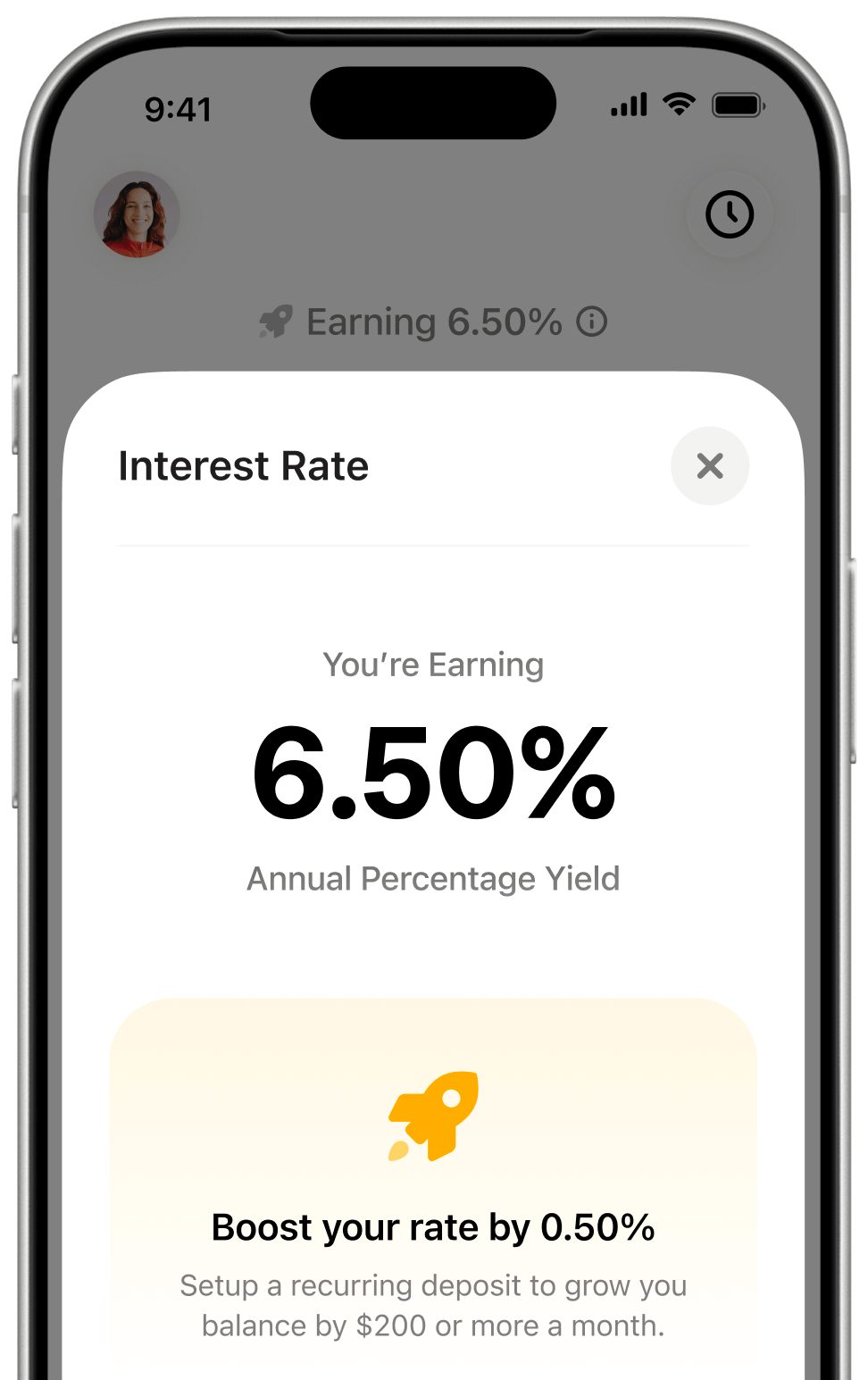
The important screen is the one that shows the live parameters for the exact market. Supply APY, variable borrow APR, collateral eligibility, liquidation threshold, available liquidity, caps, and network fees define the position more than a general description ever will. Aave protocol is built for transparent onchain lending, but the user still signs transactions that move assets and create debt.
For an embedded app built with Aave Kit, the same checks apply with an extra layer: confirm which market the interface uses and how it displays approvals, health factor, and repayment. Clean integration design makes the position legible before and after signing. That clarity is the difference between simply accessing liquidity and actually managing a lending position with intent.
Frequently asked questions about Aave protocol
- Can an app built with Aave Kit set its own interest rates?
- An app using Aave Kit does not independently invent lending rates for the underlying Aave markets. Rates come from the market's utilization model and governance-approved parameters. The app controls presentation, supported workflows, and product design around those actions, while the protocol contracts calculate supply and borrow rates from live liquidity and demand.
- When does liquidation become a risk in a borrowed position?
- Liquidation becomes a risk when the health factor approaches the market's liquidation boundary. That happens when collateral value drops, borrowed asset value rises, interest increases the debt, or collateral parameters change through governance. Repaying part of the debt or adding eligible collateral improves the position's buffer, while ignoring a falling health factor exposes collateral to sale.
- Why would a builder use Aave Kit instead of writing lending contracts?
- A builder uses Aave Kit to connect an app to established Aave market infrastructure, liquidity, documentation, and integration patterns. Writing lending contracts requires interest models, oracle handling, liquidation logic, risk controls, audits, and ongoing governance. Aave Kit lets a product team focus on user experience and market selection while relying on protocol-level lending mechanics.
- Which wallets work best for Aave Kit powered lending flows?
- Most Aave Kit powered experiences work with standard Ethereum-compatible wallets, including browser wallets, mobile wallets, and smart account interfaces when the app supports them. The deciding factor is chain support, not the wallet brand alone. The wallet must connect to the network used by the selected market and sign token approvals, supply transactions, borrow actions, repayments, and withdrawals clearly.