Aave protocol is a variable-rate liquidity market for onchain borrowing
Aave protocol is an open-source DeFi system where users supply crypto assets to liquidity pools and borrow against supported collateral without handing custody to a traditional intermediary. Its core design centers on Aave V3 markets, variable interest rates, overcollateralized loans, aTokens that track supplied balances, and risk parameters set through governance. The protocol serves people who want to earn supply interest, access liquidity without selling assets, or build lending features into onchain products.
Supplying assets creates a balance that accrues automatically
When a user supplies an asset, the market issues a corresponding aToken, such as an interest-bearing representation of the deposited asset. That tokenized balance increases as borrowers pay interest into the pool. The mechanism keeps accounting transparent because the wallet still shows the receipt asset while the underlying pool manages utilization, reserves, and rate movement.
Aave protocol uses pooled liquidity rather than matching one lender with one borrower. A supplier adds funds to a reserve, and eligible borrowers draw from that reserve as long as collateral rules allow it. This structure makes the user experience closer to depositing into a shared market than negotiating a peer-to-peer loan.
Variable rates move with reserve utilization
The borrowing rate rises when a reserve becomes heavily used and falls when liquidity is plentiful. That variable-rate model is central to Aave V3 because it steers markets toward balance: higher usage pays suppliers more and makes new borrowing more expensive, while lower usage leaves room for cheaper loans.
Each asset has its own interest-rate curve, loan-to-value setting, liquidation threshold, and reserve factor. Stablecoins, ETH-based assets, wrapped BTC, and strategy-specific assets do not share the same risk profile, so their parameters differ. This is why two reserves inside the same market produce different supply yields and different borrowing costs at the same time.
Collateral, health factor, and liquidation define the borrowing workflow
Borrowing begins after a user supplies an approved collateral asset and enables it for borrowing power. The position receives a health factor, a live risk measure that compares collateral value against debt value under the market's parameters. A higher health factor leaves more distance from liquidation; a lower one means the position is closer to forced repayment by liquidators.
Price feeds, collateral volatility, and interest accrual all affect that number. If collateral falls or debt grows until the threshold is breached, a liquidator repays part of the debt and receives collateral with the protocol-defined incentive. This rule is what keeps pooled lenders protected when borrowers use volatile crypto collateral.
Main, Prime, and Plus markets serve different liquidity needs
More broadly, Aave protocol now presents its markets as curated environments rather than one universal pool. The Main or Core market is built for general-purpose borrowing and stable yield across familiar assets. Bluechip or Prime focuses on predictable withdrawals and conservative collateral behavior for large assets such as ETH and BTC. Ethena or Plus is designed around borrowing stablecoins against USDe and sUSDe with isolated, strategy-grade settings.
That segmentation matters because DeFi risk is not evenly distributed. A conservative stablecoin borrower, an ETH holder seeking short-term liquidity, and a user building around Ethena assets need different collateral limits and liquidity assumptions. Separating markets lets governance tune parameters around the actual behavior of each asset group.
Aave App, Aave Pro, and Aave Kit extend the same liquidity layer
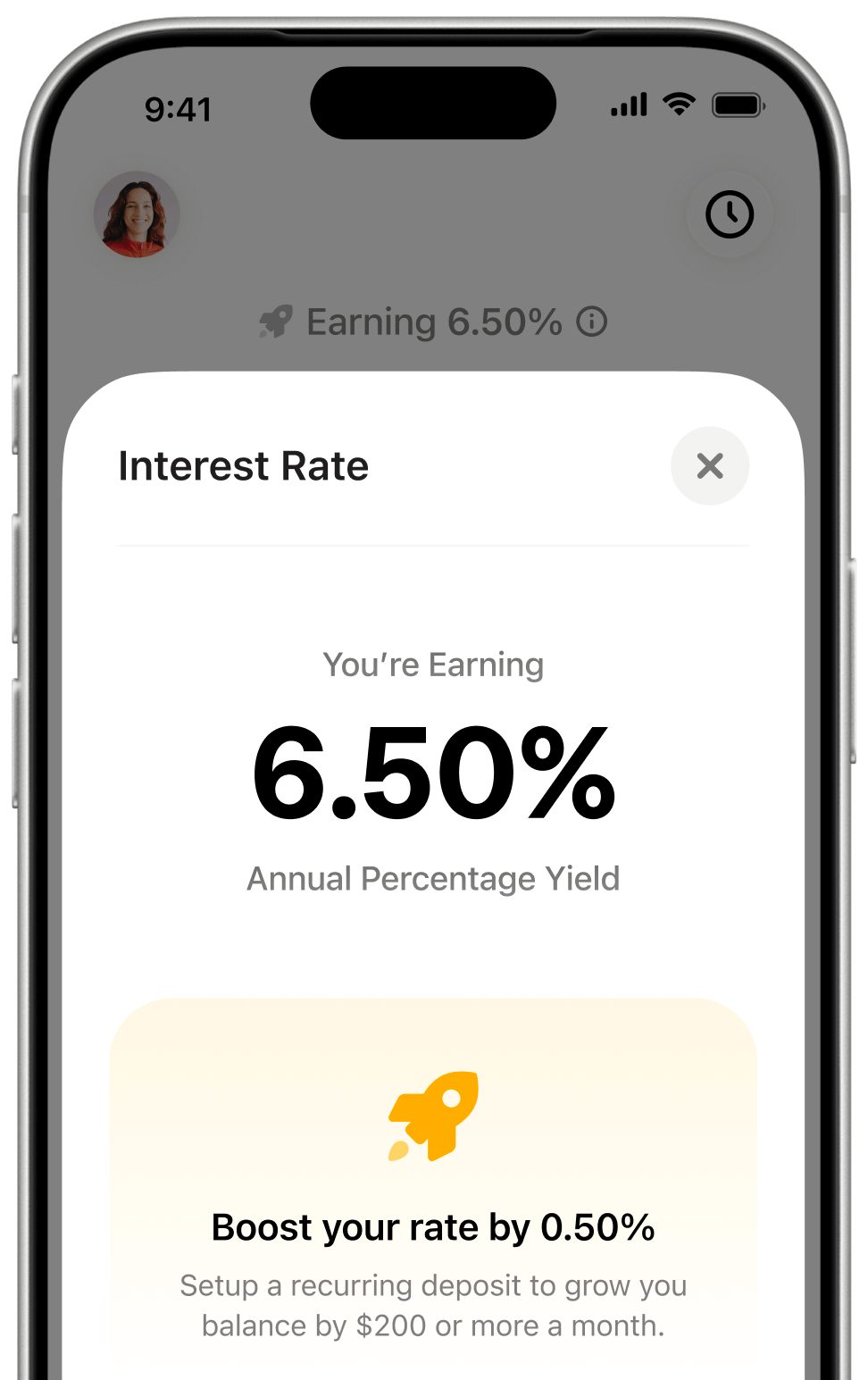
The consumer-facing Aave App packages stablecoin saving and account management into a simpler interface. Aave Pro is positioned for users who want a broader earn, borrow, and swap workflow built on the newer Aave stack. Aave Kit gives developers integration tools for launching lending, yield, and onchain finance experiences with access to Aave liquidity.
Day to day, Aave protocol therefore works as both an end-user application layer and a developer primitive. Wallets, fintech products, treasury tools, and DeFi interfaces build around the same basic actions: supply an asset, read the user's position, borrow against collateral, monitor risk, and repay debt.
What people use it for beyond simple yield
The most common use case is supplying stablecoins or major crypto assets to earn interest from borrower demand. Borrowers use collateralized loans to raise liquidity while keeping market exposure to an asset. Advanced users combine Aave positions with swaps, staking derivatives, treasury management, or stablecoin strategies, but the basic position remains a collateral-and-debt account.
- Supplying USDC, USDT, DAI, or similar stable assets for variable supply interest.
- Borrowing stablecoins against ETH, wrapped BTC, or another supported collateral asset.
- Managing treasury liquidity without selling long-term holdings immediately.
- Using aTokens inside compatible DeFi applications that recognize tokenized deposits.
- Building lending features through Aave Kit instead of creating a market from scratch.

Governance and the AAVE token shape market changes
Importantly, Aave protocol is governed through onchain and forum-based decision processes where risk updates, new asset listings, parameter changes, and market deployments are discussed before execution. The AAVE token is tied to governance participation, and the broader ecosystem includes security reviews, audit information, and bug bounty channels for responsible reporting.
Good governance is especially important because parameter choices directly affect users. Raising a collateral factor changes borrowing capacity. Adjusting a liquidation threshold changes how close positions sit to liquidation. Adding a new reserve expands utility but also introduces oracle, liquidity, and volatility considerations.
Costs show up as interest, liquidation penalties, and network fees
There is no single flat borrowing cost across all markets. A borrower pays a variable interest rate that accrues over time, and the rate changes with utilization. A supplier earns the portion of borrower interest routed to the reserve after protocol-level factors. Users also pay network gas fees when supplying, borrowing, repaying, withdrawing, approving tokens, or moving across chains.
The largest avoidable cost comes from poor collateral management. A position close to liquidation carries a real penalty if market prices move against it. Aave protocol displays risk metrics in its interfaces, but the user must decide how much buffer to keep when borrowing against volatile collateral.
Compound, Morpho, and MakerDAO solve adjacent problems differently
Compound is another major pooled lending protocol with algorithmic rates and collateralized borrowing, but its market design and governance choices differ from Aave V3. Morpho builds peer-to-peer and market-based lending infrastructure with a strong focus on optimizing rates and modular market creation. MakerDAO, now associated with the Sky ecosystem, is centered on minting a decentralized stablecoin against collateral rather than operating the same broad pooled lending interface.
In practice, Aave protocol stands out for its large multi-market liquidity base, recognizable V3 architecture, and broad developer surface. It fits users who want a mature DeFi lending market with visible collateral rules, variable rates, and several curated market profiles rather than a single-purpose stablecoin vault or a narrowly optimized lending venue.
Getting started starts with the reserve, not the headline yield
A new user should begin by choosing the specific market and reserve that matches the intended action. Supplying a stablecoin is different from borrowing against ETH, and using USDe or sUSDe in a strategy-specific market carries different assumptions from using a bluechip collateral market. The reserve page shows available liquidity, supply APY, borrow APY, collateral status, and risk parameters.
After connecting a compatible wallet, the typical flow is straightforward: approve the asset, supply it, decide whether to enable it as collateral, and then borrow only if the health factor leaves enough room for price movement. Repayment reverses the debt, and withdrawal removes supplied liquidity if the account stays above required collateral levels.
Questions people ask about Aave protocol
- Which wallets work with Aave protocol?
- Aave works through standard Web3 wallets that connect to supported networks and can sign token approvals and transactions. Common choices include browser wallets, mobile wallets, and hardware-wallet setups routed through compatible interfaces. The key requirement is network support for the selected market, enough native gas token to pay transaction fees, and control of the wallet that holds the supplied collateral or borrowed assets.
- Does Aave pay interest in the same asset I supply?
- Supply interest accrues through the aToken representation of the asset deposited into a reserve. If a user supplies USDC, the accounting tracks a USDC-denominated supplied balance through the matching aToken. The balance changes as borrower interest flows through the market. Incentive programs, when active, are separate from ordinary supply interest and follow their own token and eligibility rules.
- What happens if my Aave health factor drops below 1?
- A health factor below 1 means the account has crossed the liquidation threshold for its collateral and debt mix. A liquidator can repay part of the debt and receive part of the collateral according to the market's liquidation rules. The borrower keeps the remaining position after liquidation, but loses collateral value through the liquidation incentive and still needs to manage any debt left open.
- Can I borrow on Aave without selling my ETH or Bitcoin exposure?
- Yes, supported wrapped or tokenized versions of major assets can be supplied as collateral in eligible markets, and the user can borrow another asset against that collateral. The position keeps exposure to the collateral asset while adding debt. If the collateral price falls against the borrowed asset, the health factor declines, so borrowers use a buffer rather than borrowing up to the maximum limit.
- Is there a minimum deposit for using Aave markets?
- The protocol does not rely on a traditional account minimum, but very small deposits are limited by network fees and token approval costs. On higher-cost networks, gas can make tiny transactions uneconomic. The practical minimum is the point where supply interest, borrowing need, and transaction costs make sense for the specific wallet, chain, and reserve being used.
- Fees on Aave protocol include what besides the interest rate?
- Borrowers pay accrued interest on open debt, and all users pay network gas for transactions such as approvals, deposits, borrows, repayments, and withdrawals. Liquidated accounts also lose value through the liquidation incentive paid to liquidators. The visible borrow APY is only one part of total cost because gas fees and liquidation exposure come from user actions and market movement.