Aave protocol fees is the cost-and-yield layer behind Aave V3 lending markets
Aave protocol fees is the combined set of borrowing costs, supplier yield mechanics, reserve deductions, liquidation charges, and flash loan premiums that shape Aave V3 liquidity markets. Borrowers pay variable interest from pools such as USDC, USDT, DAI, WETH, and wstETH; suppliers receive the matching yield after protocol-level parameters take their share. The numbers move with utilization, market settings, and risk controls rather than a fixed subscription-style fee.
Where the cost shows up in an Aave V3 position
The most visible cost is the borrow rate shown before a user opens a debt position. Aave V3 quotes this as an annualized variable rate for each reserve, and the rate accrues block by block against the borrower's debt balance. When a pool has deep available liquidity, the rate stays closer to the low end of its curve. As available liquidity gets scarcer, the curve steepens and debt becomes more expensive.
For suppliers, the same market produces yield. Deposited assets receive interest-bearing accounting through aTokens, so a USDC supplier holds aUSDC and sees the balance reflect accrued interest. This is why Aave protocol fees matter to both sides of the market: the borrower experiences them as cost, while the supplier experiences the remaining interest flow as APY.
Utilization drives the variable borrow rate
Each reserve has a utilization ratio: borrowed liquidity divided by supplied liquidity. That single relationship explains much of the rate behavior. Low utilization means borrowers have plenty of available liquidity to draw from, so the rate model leaves borrowing cheaper. High utilization means withdrawals are tighter for suppliers, so the model raises the rate to attract more supply and slow additional borrowing.
Aave V3 markets use interest rate strategies with a kink point, sometimes described as the optimal utilization level. Below that point, rates rise gradually. Above it, the slope becomes sharper. This keeps stablecoin markets such as USDC and USDT usable during normal demand while making crowded pools expensive enough to rebalance liquidity.
How supplier APY is formed from borrower payments
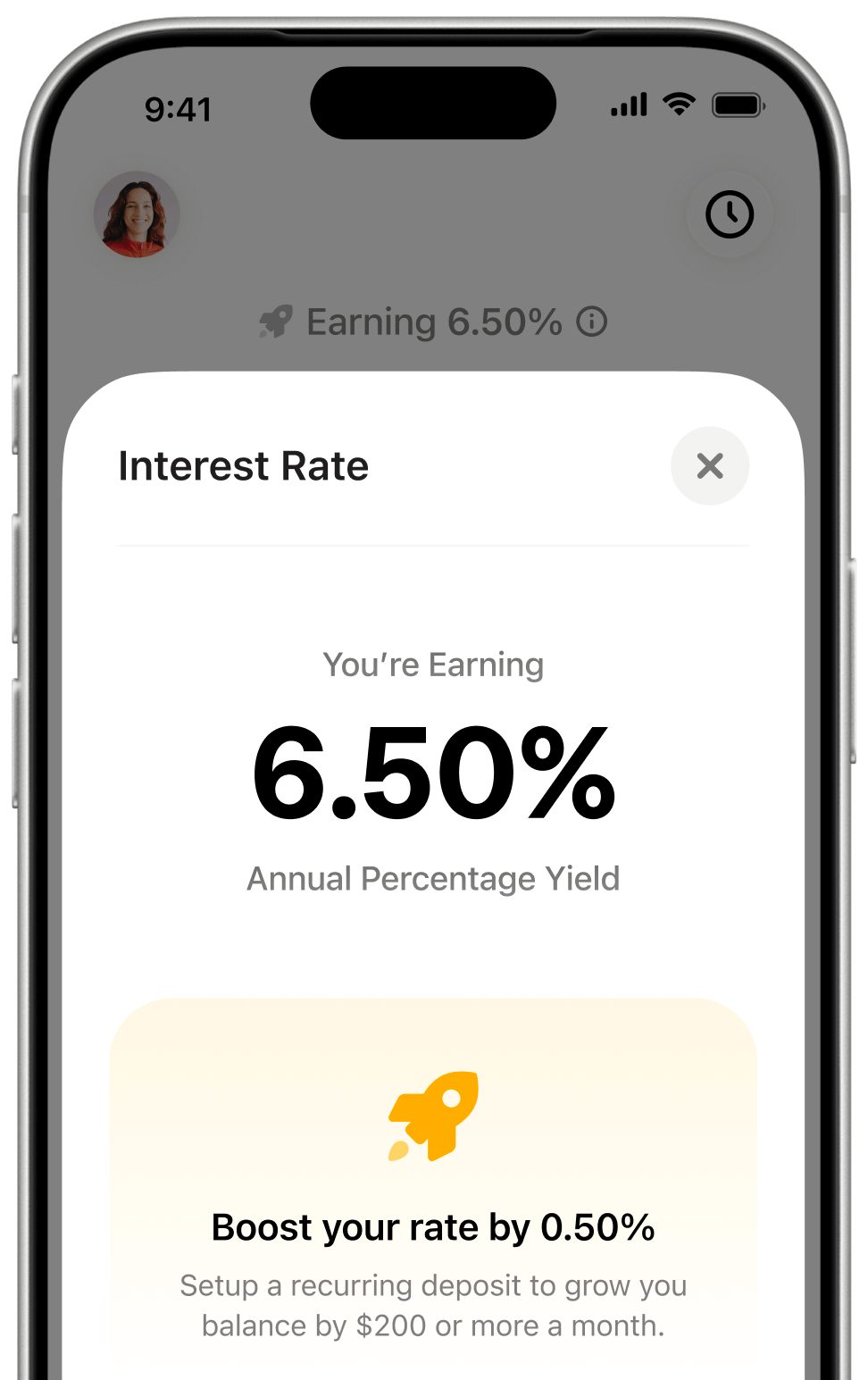
Supplier yield starts with borrower interest. When users borrow from a reserve, their debt grows at the current variable borrow rate. That interest is allocated to suppliers after accounting for the reserve factor, which sends a configured share to the protocol treasury. The supplier APY shown in the app reflects this market math, not a manually promised payout.
Stablecoin markets draw the most attention because they are easier to compare against cash-like yield products. Aave's public site presents its app as a way to earn on stablecoins, and the live app displays current supply APYs by market. The advertised headline changes as pool conditions change, so the useful habit is reading the current reserve view before supplying USDC, DAI, USDT, GHO, or another supported asset.
The reserve factor is the protocol's built-in revenue share
Importantly, Aave protocol fees include the reserve factor, a parameter set per asset through governance and market configuration. If a reserve has a reserve factor, part of the interest paid by borrowers accrues to the ecosystem rather than flowing entirely to suppliers. That share supports the protocol's treasury, risk programs, and long-running market operations.
This parameter is especially important when comparing assets. Two reserves with similar borrow demand do not always produce the same supplier yield because collateral rules, utilization, debt ceilings, liquidity depth, and reserve factor settings differ. A stablecoin pool with heavy borrowing and modest treasury share pays differently from a lower-demand reserve with stricter risk settings.
Liquidations add another cost layer for risky borrowing
Borrowing against collateral introduces a health factor. When the value of collateral falls or the borrowed asset rises enough to push the position below the required threshold, liquidation becomes available. A liquidator repays part of the debt and receives collateral with an incentive set by the market's liquidation bonus.
That liquidation incentive is not the same as ordinary interest, but it belongs in any serious discussion of Aave protocol fees because it is the cost of letting a position become undercollateralized. The cleaner approach is to manage collateral buffers before the health factor approaches the liquidation zone, especially when using volatile assets such as ETH, wrapped Bitcoin, or liquid staking tokens as collateral.
Flash loan premiums serve developers and arbitrageurs
In practice, Aave V3 also supports flash loans, where liquidity is borrowed and repaid within the same transaction. These transactions are useful for arbitrage, collateral swaps, liquidations, and advanced contract workflows. The premium is charged only when the flash loan succeeds and returns funds inside the transaction, which makes it a specialized fee for builders and automated strategies rather than everyday wallet borrowing.
For developers, the premium is part of the execution budget alongside gas and slippage. A profitable arbitrage route must cover the flash loan premium, decentralized exchange fees, MEV exposure, and network costs. Aave Kit and the protocol's developer documentation exist for teams that want to build lending, yield, or onchain finance products using this liquidity layer.

Stablecoins, GHO, and market selection
Stablecoin borrowing is one of the clearest ways to understand the fee model. A user supplies collateral, borrows a stable asset, and pays a variable rate until the debt is repaid. The exact cost depends on the selected market, asset, and utilization curve. Aave V3 runs across multiple networks, so the same token symbol on one chain does not automatically carry the same liquidity or rate profile elsewhere.
GHO adds another Aave-native stablecoin angle. It is minted through the protocol's design rather than borrowed from a conventional pooled reserve in the same way as USDC or DAI. Users comparing stablecoin debt need to read the specific borrowing interface because GHO parameters and ordinary reserve parameters answer different questions.
Reading the app before supplying or borrowing
The rate screen deserves a slow read before committing capital. Aave protocol fees are displayed through several fields that describe the reserve and the user's position. The rate alone gives an incomplete picture unless it is paired with collateral limits, liquidation threshold, market depth, and health factor impact.
- Supply APY shows the current annualized yield paid to depositors.
- Variable borrow APY shows the current annualized cost of debt.
- Utilization indicates how much of the supplied liquidity is already borrowed.
- Loan-to-value and liquidation threshold define how much borrowing room collateral provides.
- Health factor shows the buffer before liquidation becomes possible.
A new user starts by connecting a wallet, choosing a supported market, supplying an asset, and enabling collateral only when borrowing is part of the plan. Repaying debt and withdrawing collateral are separate actions, and both require enough network gas on the chain being used.
Benefits of an algorithmic fee model
The strength of Aave protocol fees is that pricing responds directly to liquidity conditions. No central desk needs to quote each loan. A smart contract rate model changes the borrow cost as market demand changes, while suppliers receive yield from actual borrowing activity. This creates transparent pricing for large DeFi markets and gives integrators a predictable way to build on top of Aave's liquidity.
The model also separates asset risk. ETH collateral, stablecoin debt, liquid staking collateral, and isolated assets receive different settings. That matters because a single blended fee would hide the differences between a deep blue-chip market and a narrow strategy-specific pool.
Risks that affect the real cost
The quoted APY is only one part of the cost. Gas fees, bridge costs, price movement, oracle updates, liquidation penalties, and changing utilization all influence the final outcome. A position opened at a comfortable rate becomes more expensive when demand for the borrowed asset rises sharply.
Smart contract and market risk also matter because the protocol runs through code and governance-controlled parameters. Aave has a long operating record in DeFi, public security resources, audits, and bug bounty processes, but users still carry responsibility for wallet security, chain selection, and transaction review.
Alternatives a user compares against Aave's rates
People evaluating Aave protocol fees usually compare them with other ways to borrow or earn yield. Compound offers pooled DeFi money markets with algorithmic rates. MakerDAO and Spark-related markets focus heavily on DAI and collateralized stablecoin credit. Centralized exchanges provide margin and lending products with account-based custody, while decentralized exchanges provide liquidity-pool yield with impermanent loss exposure.
Notably, Aave's position is strongest when a user wants non-custodial collateralized borrowing, transparent reserve-level parameters, and broad DeFi composability. The right comparison is the total position: borrow APY, supply APY, liquidation rules, collateral type, chain costs, and how quickly the user needs to enter or exit the market.
Helpful answers about Aave protocol fees
What fees does a borrower pay on Aave V3 besides the variable APY?
A borrower's main ongoing cost is the variable borrow APY for the selected reserve. Additional costs come from network gas, swaps used to manage the position, and liquidation penalties if the health factor falls below the required level. Aave protocol fees also include protocol-level deductions such as reserve factor, but that part is taken from interest flows rather than charged as a separate checkout line to the borrower.
Does supplying USDC on Aave have a withdrawal fee?
Supplying USDC does not create a standard withdrawal fee charged by the protocol in the same way an exchange account might. The user pays network gas to withdraw, and the available liquidity in that reserve determines whether the full amount is immediately withdrawable. The supply APY accrues through the reserve's interest mechanics while funds remain supplied.
Which Aave assets have the lowest borrowing costs?
The lowest borrowing costs are found by reading the live market view, because rates change with utilization and reserve settings. Deep stablecoin pools such as USDC, USDT, and DAI frequently draw rate-sensitive borrowers, while ETH-related assets follow their own demand patterns. The cheapest reserve at one moment is not permanently cheapest across chains or market conditions.
Can the Aave reserve factor reduce my stablecoin yield?
Yes. The reserve factor sends a configured portion of borrower interest to the protocol rather than to suppliers, so it directly affects the APY depositors receive. It is one reason two stablecoin markets with similar utilization may display different supplier yields. Other variables, including liquidity depth and debt demand, also shape the visible supply APY.
When do liquidation penalties become part of the borrowing cost?
Liquidation penalties matter only when a borrow position becomes undercollateralized under that market's rules. At that point, a liquidator repays eligible debt and receives collateral with an incentive. Borrowers avoid this cost by keeping a stronger health factor, reducing debt, or adding collateral before market movement pushes the position into liquidation range.
Are flash loan premiums relevant for normal Aave users?
Flash loan premiums mainly matter to developers, arbitrage traders, liquidators, and automated strategy contracts. A typical user who supplies collateral and borrows USDC or another asset deals with variable borrow interest, gas, and liquidation rules instead. Flash loans are repaid inside one transaction, so their premium belongs to a different workflow than ordinary overcollateralized borrowing.